What It Meant to Grow Up Between Shenzhen and Hong Kong
Raised between two systems: speed on one side, order on the other. On identity, language, and why cross-border products come naturally to me.
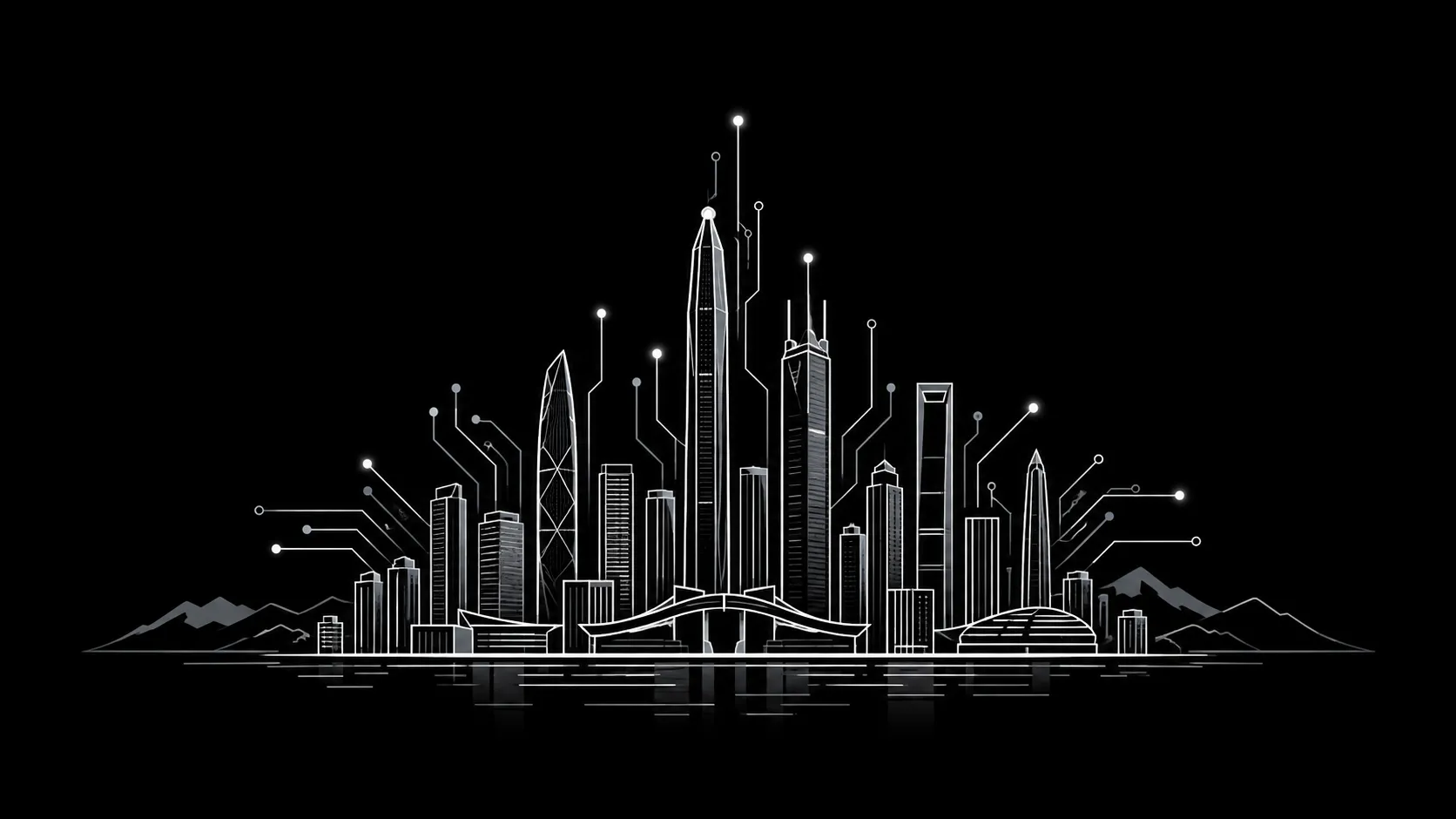
Two systems, one childhood
I grew up between Shenzhen and Hong Kong — two sides of the same border, running two completely different operating systems. Shenzhen teaches you speed: a prototype in a week, a product in a month. Hong Kong teaches you order: contracts, compliance, every detail of a cross-border settlement.
Language is not a skill, it’s a vantage point
Russian was the language of home, Chinese the language of the street, English the language of school. Each one carries a way of thinking: Russian is good at abstraction, Chinese at relationships, English at structure. When I build products, I switch between all three — it’s my biggest unfair advantage.
Cross-border as the default state
For most people, “cross-border” is a market category. For me it’s the default state: family in three countries, friends in ten time zones, business on-chain. When you’re born living between boundaries, you eventually see it — the boundary itself is the opportunity.
For anyone going global
Don’t “localize” your product; make it native. Users can smell a translation. Find a local co-founder, live there for at least three months, and pay rent once the way locals do.
I’m in Southeast Asia — come grab a coffee 🌏

More from the blog
Anatomy of a Modern Engineering Post on y7.hk
A stress test for the y7 reading engine: callouts, diff blocks, KaTeX formulas, a circular avatar video, figure galleries, spoilers, and a font switcher.
Living Between Time Zones
What 67 countries and four home bases teach you about deep work, jet lag, and building products nobody asked you to build.